Angiotensin Receptor
Angiotensin receptors are a class of G protein-coupled receptors with angiotensin II as their ligands. They are important in the renin-angiotensin system: they are responsible for the signal transduction of the vasoconstricting stimulus of the main effector hormone, angiotensin II. The AT1 and AT2 receptors have a similar affinity for angiotensin II, which is their main ligand. The AT1 receptor is the best elucidated angiotensin receptor. AT2 receptors are more plentiful in the fetus and neonate. Other poorly characterized subtypes include the AT3 and AT4 receptors.
Angiotensin Receptor Isoform Specific Products
All Product Categories
-
Angiotensin Receptor Inhibitors
(34)
View all products
-
Angiotensin Receptor Agonists
(24)
View all products
-
Angiotensin Receptor Antagonists
(164)
View all products
-
Angiotensin Receptor Activators
(33)
View all products
-
Angiotensin Receptor Modulators
(3)
View all products
-
Angiotensin Receptor Chemicals
(2)
View all products
-
Angiotensin Receptor Ligands
(2)
View all products
-
Angiotensin Receptor Related Products (300)
Related Products (300)

-
Antibodies (7)
-
Angiotensin Receptor Isoform Comparison
-
Azilsartan medoxomil
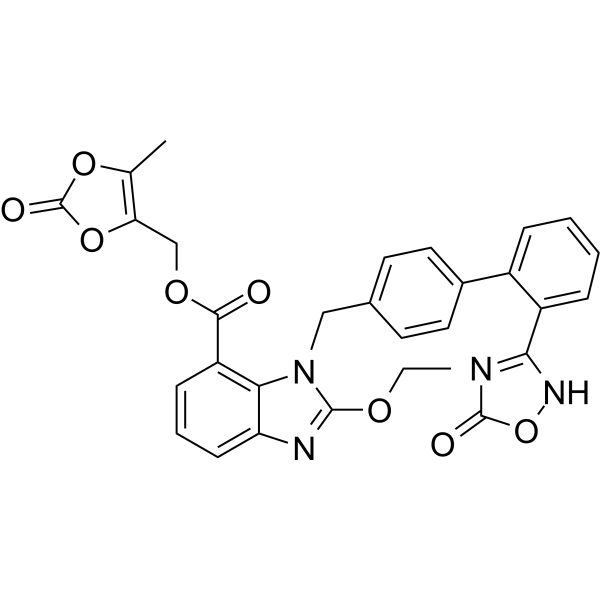 0 ImagesSynonyms: TAK-491Azilsartan medoxomil (TAK 491), a prodrug form of Azilsartan (HY-14914), is an orally active angiotensin II receptor type 1 antagonist. Azilsartan medoxomil can be used for the study of essential hypertension.
-
Angiotensin II human TFA
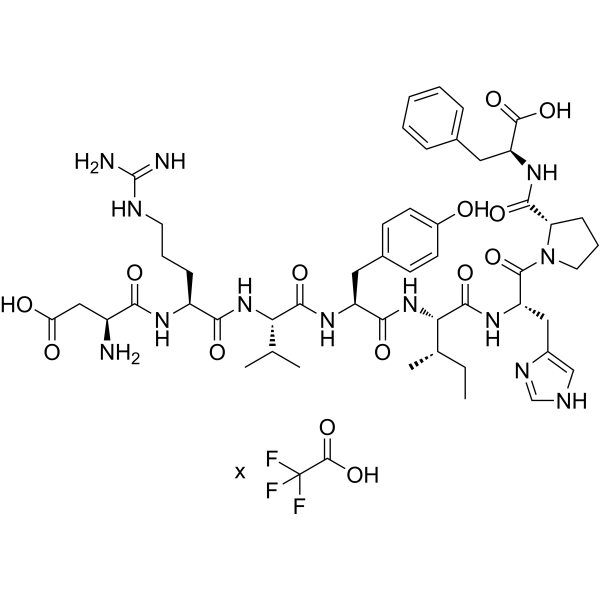 0 ImagesSynonyms: Angiotensin II TFA; Ang II TFA; DRVYIHPF TFAAngiotensin II human (Angiotensin II) TFA is a vasoconstrictor and a major bioactive peptide of the renin/angiotensin system. Angiotensin II human TFA plays a central role in regulating human blood pressure, which is mainly mediated by interactions between Angiotensin II and the G-protein-coupled receptors (GPCRs) Angiotensin II type 1 receptor (AT1R) and Angiotensin II type 2 receptor (AT2R). Angiotensin II human TFA stimulates sympathetic nervous stimulation, increases aldosterone biosynthesis and renal actions. Angiotensin II human TFA induces growth of vascular smooth muscle cells, increases collagen type I and III synthesis in fibroblasts, leading to thickening of the vascular wall and myocardium, and fibrosis. Angiotensin II human TFA also induces apoptosis. Angiotensin II human TFA induces capillary formation from endothelial cells via the LOX-1 dependent redox-sensitive pathway.
-
TRV055 hydrochloride
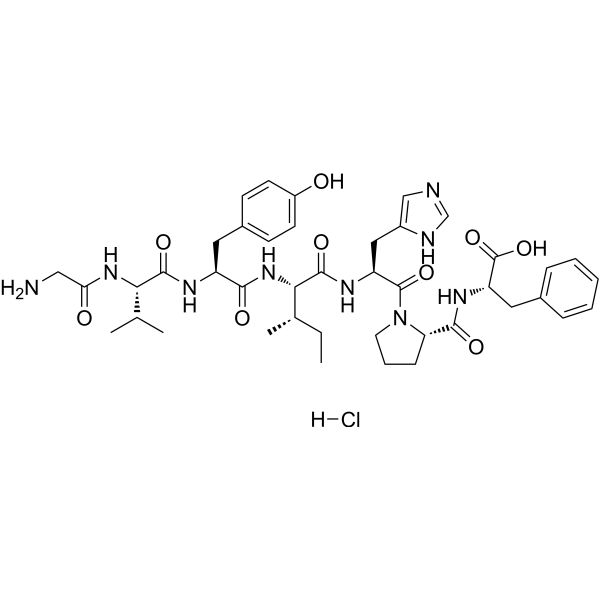 0 ImagesCat. No.: HY-P3136APurity: 98.88%Synonyms: TRV120055 hydrochlorideTRV055 (TRV120055) hydrochloride is a G protein-biased agonist of angiotensin II type 1 receptors (AT1Rs). TRV055 hydrochloride induces fibroblast proliferation, overexpression of collagen I and α-SMA, and stress fibre formation in human cardiac fibroblasts. RV055 hydrochloride activates AT1 receptor/Gαq-mediated signaling pathways, upregulates TGF-β1 and p-ERK1/2. RV055 hydrochloride induces collagen secretion in adult rat myofibroblasts at a level comparable to Ang II. RV055 hydrochloride can be used to study the role of G protein-biased signaling of AT1Rs in regulating fibrotic responses[1]
-
Saralasin
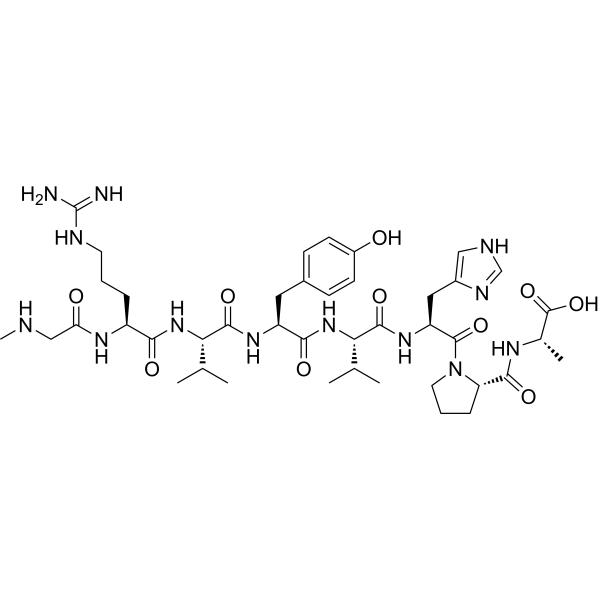 0 ImagesSynonyms: [Sar1,Ala8] Angiotensin IISaralasin ([Sar1,Ala8] Angiotensin II) is an octapeptide analog of angiotensin II. Saralasin is a competitive angiotensin II receptor antagonist with a Ki value of 0.32 nM for 74% of the binding sites, and has partial agonist activity as well. Saralasin can be used for the research of renovascular hypertension, renin-dependent (angiotensinogenic) hypertension.
-
Eprosartan
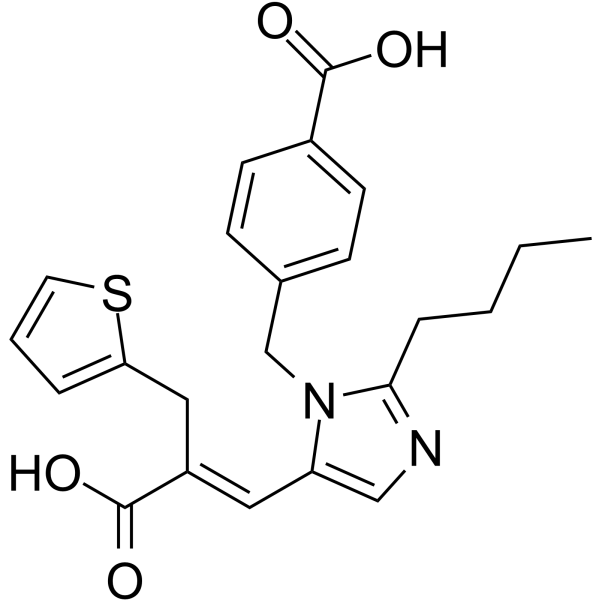 0 ImagesSynonyms: SKF-108566J free baseEprosartan (SKF-108566J free base) is a selective, competitive, nonpeptid and orally active angiotensin II receptor antagonist, used as an antihypertensive. Eprosartan binds angiotensin II receptor with IC50s of 9.2 nM and 3.9 nM in rat and human adrenal cortical membranes, respectively .
-
Angiotensin II 5-valine
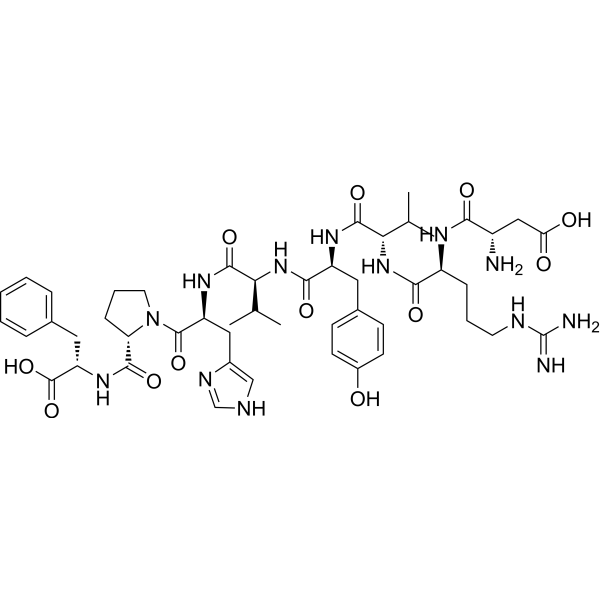 0 ImagesSynonyms: Valine angiotensin II; 5-L-Valine angiotensin IIAngiotensin II 5-valine is an agonist of angiotensin receptor.
-
Angiotensin I/II (1-5) TFA
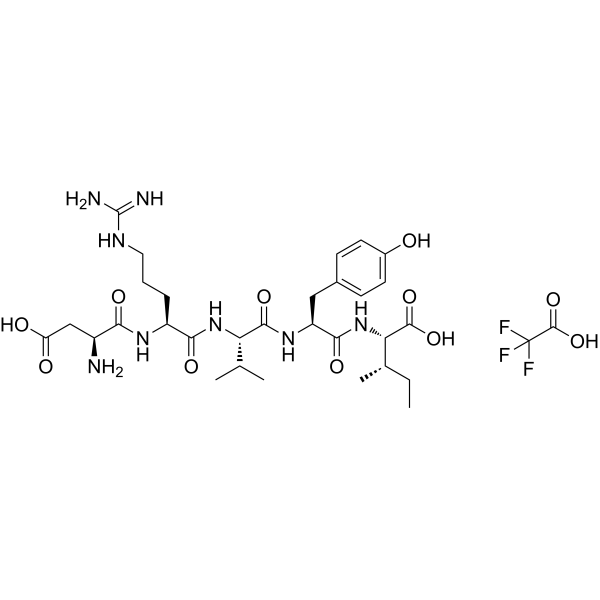 0 ImagesCat. No.: HY-P1839APurity: 98.49%Angiotensin I/II 1-5 TFA is a peptide that contains the amino acids 1-5, which is converted from Angiotensin I/II. Angiotensin I is formed by the action of renin on angiotensinogen. Angiotensin II is produced from angiotensin I. Angiotensin II has been investigated for the treatment, basic science, and diagnostic of Hypertension, Renin Angiotensin System, and Idiopathic Membranous Nephropathy.
-
Eprosartan mesylate
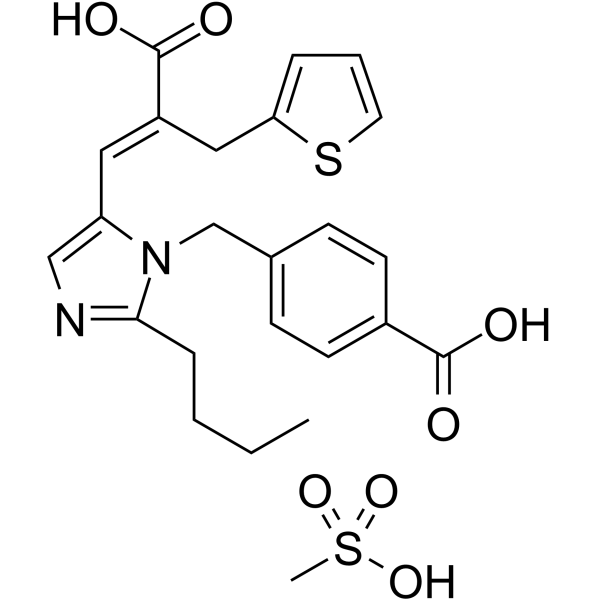 0 ImagesSynonyms: SKF-108566JEprosartan mesylate (SKF-108566J) is a selective, competitive, nonpeptid and orally active angiotensin II receptor antagonist, used as an antihypertensive. Eprosartan mesylate binds angiotensin II receptor with IC50s of 9.2 nM and 3.9 nM in rat and human adrenal cortical membranes, respectively.
-
[Sar1, Ile8]-Angiotensin II TFA
![[Sar1, Ile8]-Angiotensin II TFA](https://file.medchemexpress.com/product_pic/hy-p1564a.gif "Click to View [Sar1, Ile8]-Angiotensin II TFA Product Detail") 0 Images[Sar1, Ile8]-Angiotensin II (TFA) is a peptide that has multiple effects on vascular smooth muscle, including contraction of normal arteries and hypertrophy or hyperplasia of cultured cells or diseased vessels.
0 Images[Sar1, Ile8]-Angiotensin II (TFA) is a peptide that has multiple effects on vascular smooth muscle, including contraction of normal arteries and hypertrophy or hyperplasia of cultured cells or diseased vessels.
-
Fimasartan
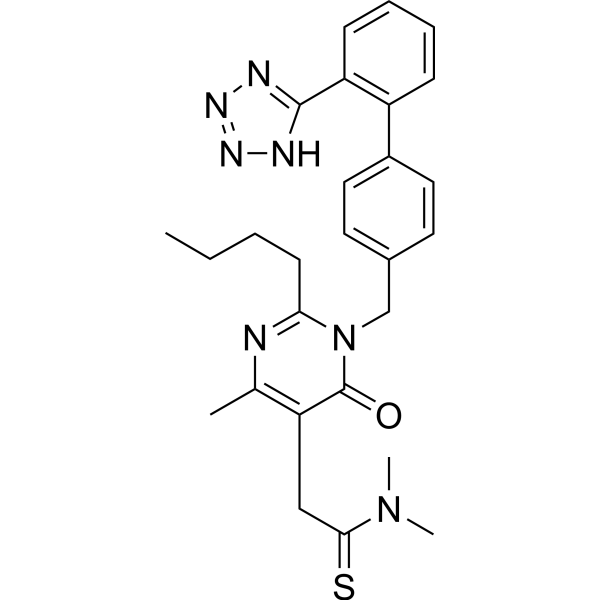 0 ImagesSynonyms: BR-A-657Fimasartan (BRA-657) is an orally effective angiotensin receptor AT1 non-peptide antagonist. Fimasartan has antihypertensive effects. Fimasartan improves neuroinflammation and brain injury mediated by NLRP3 inflammatome after intracerebral hemorrhage, and has neuroprotective effect. Fimasartan inhibits the expression of inducible nitric oxide synthase through the inactivation of NF-κB and activator protein-1.
-
(Sar1,Ile4,8)-Angiotensin II
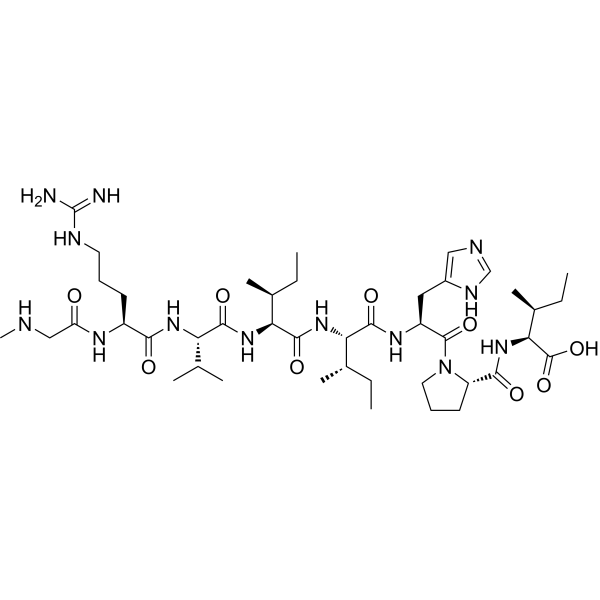 0 Images(Sar1,Ile4,8)-Angiotensin II is a functionally selective angiotensin II type 1 receptor (AT1R) agonist. (Sar1,Ile4,8)-Angiotensin II potentiates insulin-stimulated insulin receptor (IR) signaling and glycogen synthesis. (Sar1,Ile4,8)-Angiotensin II potentiates insulin-stimulated phosphorylation of Akt and GSK3α/β.
-
Tasosartan
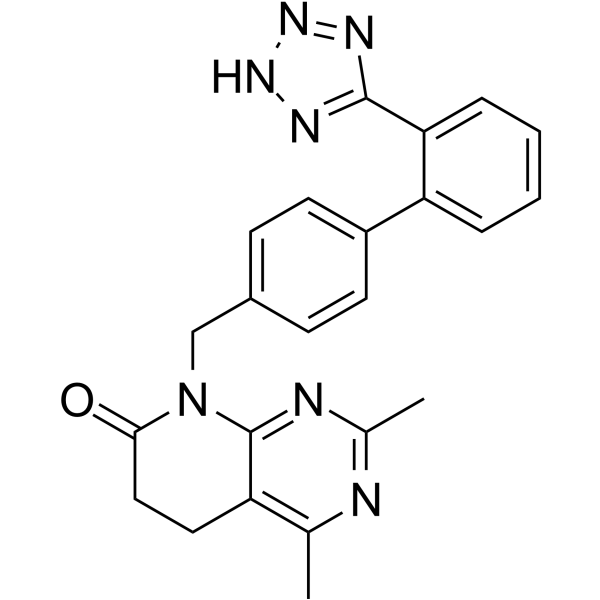 0 ImagesSynonyms: WAY-ANA 756Tasosartan is a long-acting angiotensin II (AngII) receptor antagonist.
-
Angiotensin III, human, mouse TFA
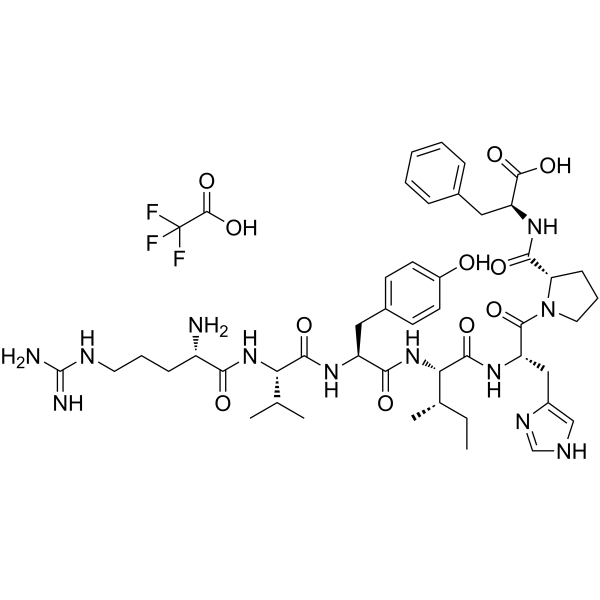 0 ImagesAngiotensin III, human, mouse (TFA) is an angiotensin.
-
TRV-120027 TFA
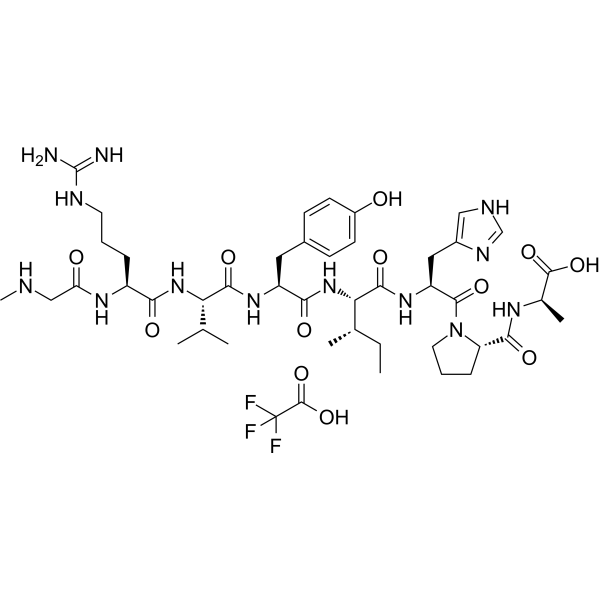 0 ImagesCat. No.: HY-P2141APurity: 99.62%TRV120027 TFA, a β-arrestin-1-biased agonist of the angiotensin II receptor type 1 (AT1R), engages ?-arrestins while blocking G-protein signaling. TRV120027?TFA induces?acute?catecholamine?secretion?through cation channel subfamily C3 (TRPC3) coupling, promotes the formation of a macromolecular complex composed of AT1R–β-arrestin-1–TRPC3–PLCγ at the plasma membrane. TRV120027 TFA inhibits angiotensin II–mediated vasoconstriction and increases cardiomyocyte contractility. TRV120027 TFA has the potential for the?acute decompensated heart failure (ADHF) treatment.
-
YS-49 monohydrate
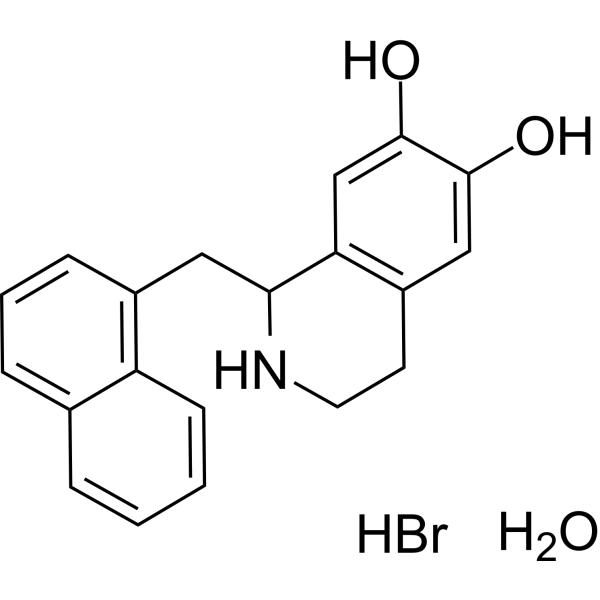 0 ImagesYS-49 (monohydrate) is a PI3K/Akt (a downstream target of RhoA) activator, to reduce RhoA/PTEN activation in the 3-methylcholanthrene-treated cells. YS-49 inhibits angiotensin II (Ang II)-stimulated proliferation of VSMCs via induction of heme oxygenase (HO)-1. YS-49 is also an isoquinoline compound alkaloid, has a strong positive inotropic action through activation of cardiac β-adrenoceptors.
-
Novokinin
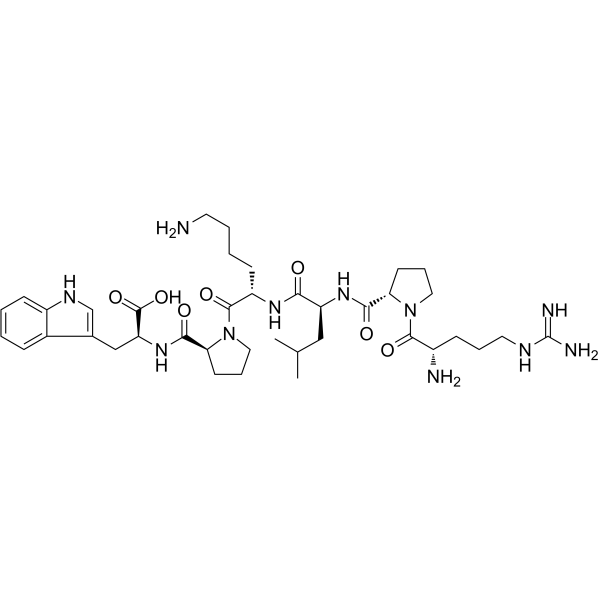 0 ImagesNovokinin is a peptide agonist of the angiotensin AT2 receptor.